

IMPACT STORY
HOW CRISIS DATA GUIDES EMERGENCY FUNDING

© WFP | Rein Skullerud
DATA IN ACTION
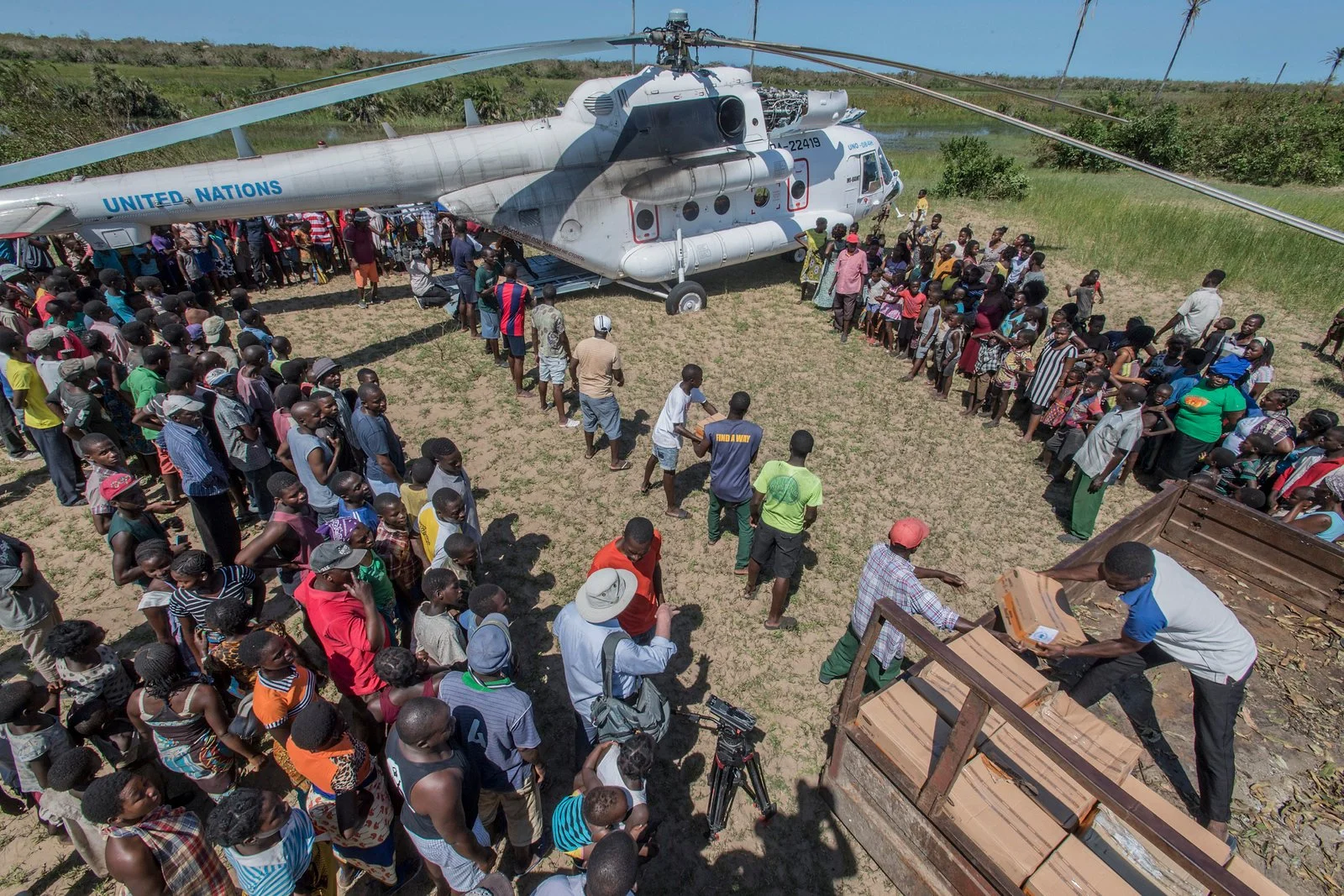
In 2025, CRAF’d-supported crisis data helped inform $453 million in allocations by the UN’s largest humanitarian pooled fund, the Central Emergency Response Fund (CERF), targeting more than 21 million people across 35 countries.
CERF combines data, country inputs, partner consultations and operational judgement to move resources to urgent needs, rising risks and underfunded crises. CRAF’d-supported ACLED conflict and IDMC displacement data form part of this evidence base, helping make changing crisis dynamics visible.
MAKING CRISIS DYNAMICS VISIBLE
© WFP | Falume Bachir
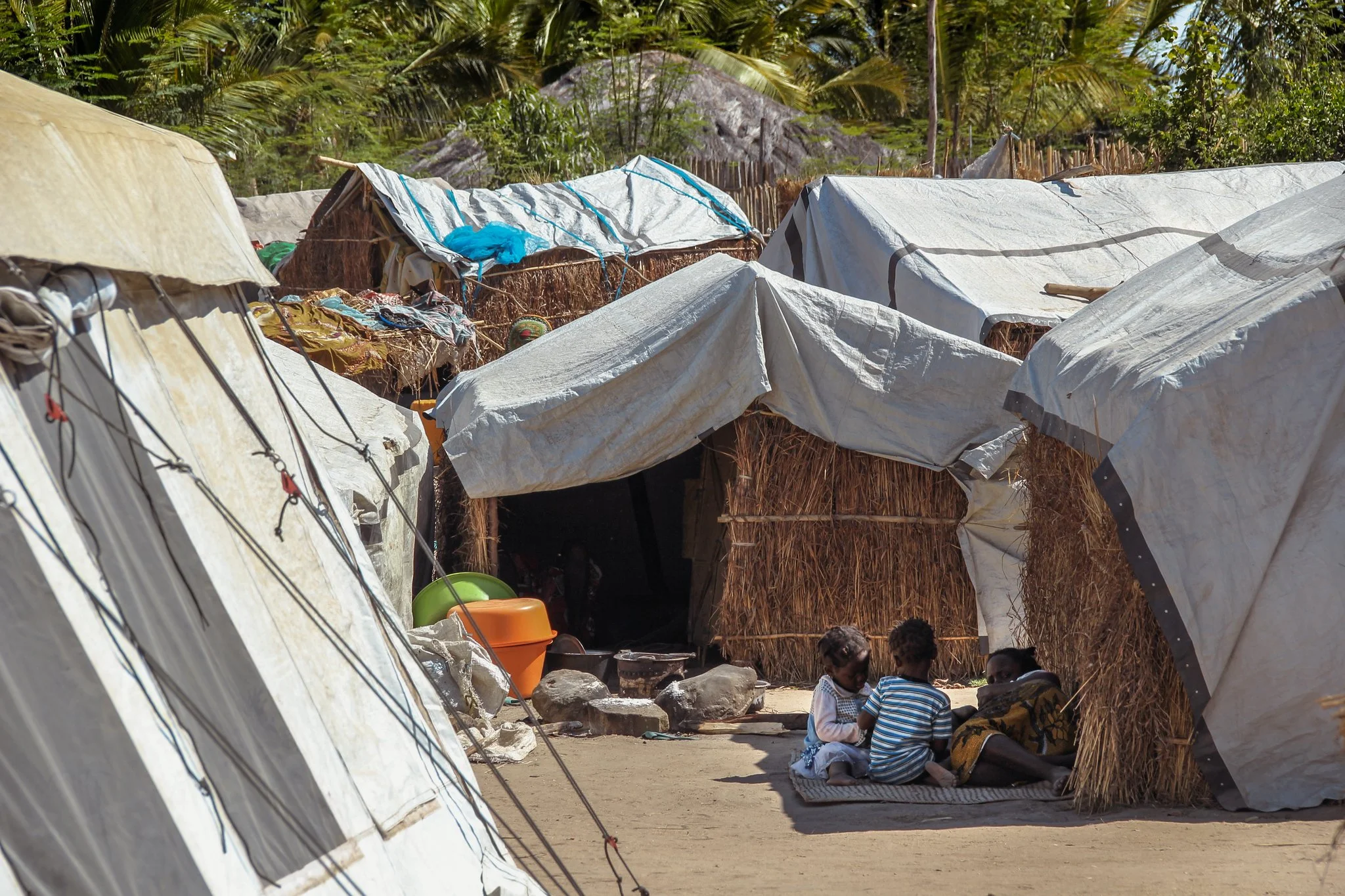
CRAF’d-supported conflict data from ACLED and displacement data from IDMC help make changing crisis dynamics visible. Combined with other crisis data, these signals help CERF identify risks, track deterioration and keep neglected crises visible.
This evidence supports CERF’s two funding windows: Rapid Response and Underfunded Emergencies.
© UN | Helvisney Cardoso
TURNING EVIDENCE INTO FUNDING DECISIONS
© UN | Helvisney Cardoso
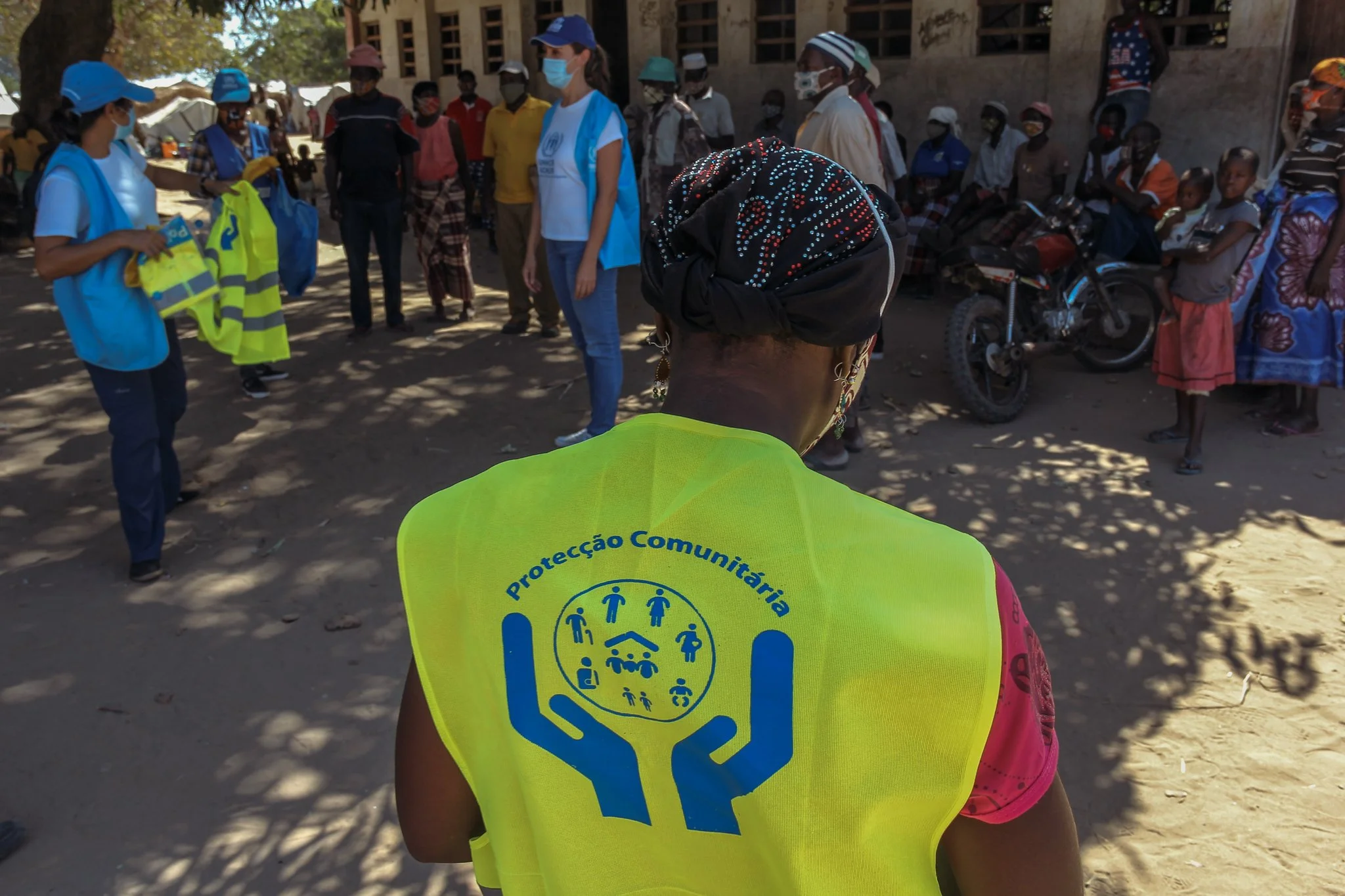
CRAF’d-supported ACLED conflict and IDMC displacement data support both of CERF’s funding windows. For Rapid Response, the data feed into the Rapid Response Regression Model and HDX Signals alongside other inputs, helping estimate allocation amounts and flag deterioration. For Underfunded Emergencies, CERF’s Index for Risk and Vulnerability helps compare severity, risk and vulnerability with operational analysis.
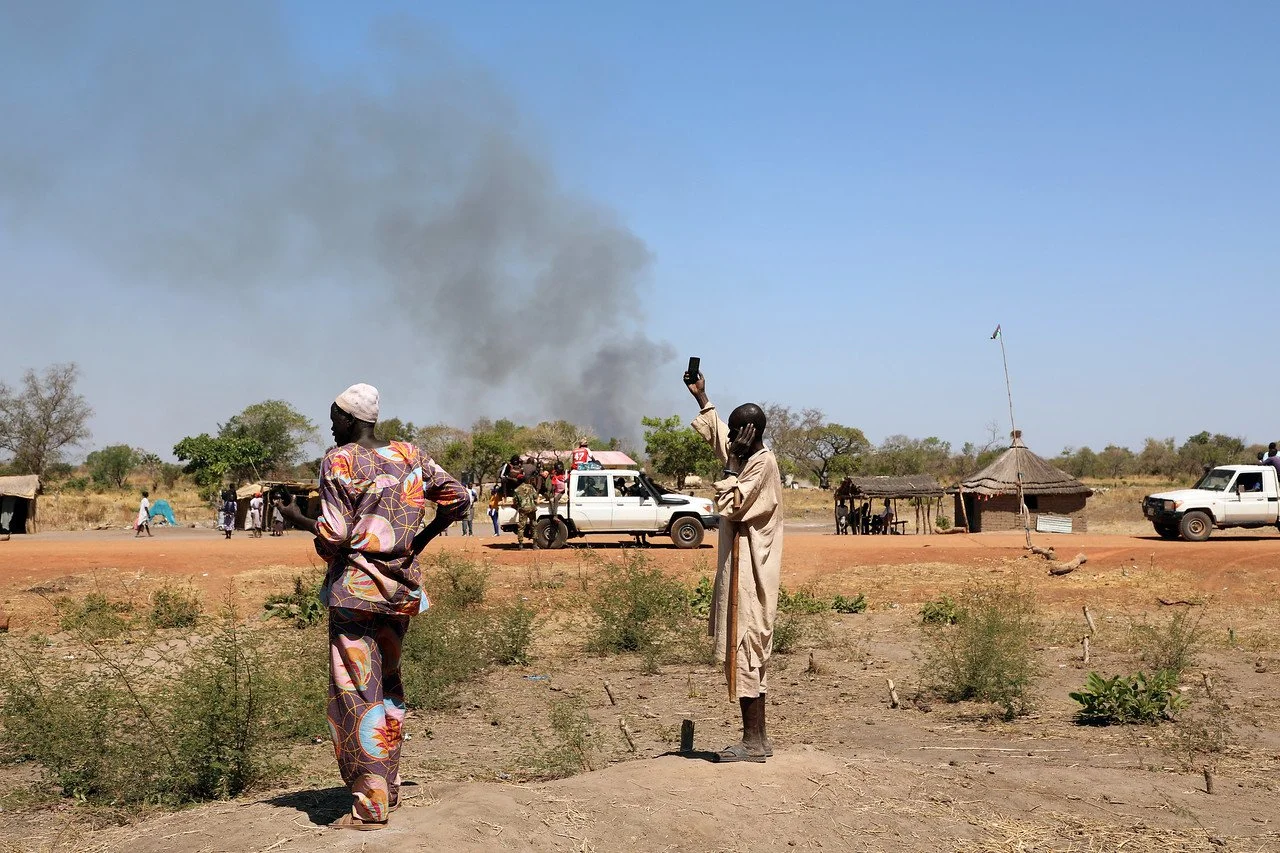
© OCHA | Anthony Burke
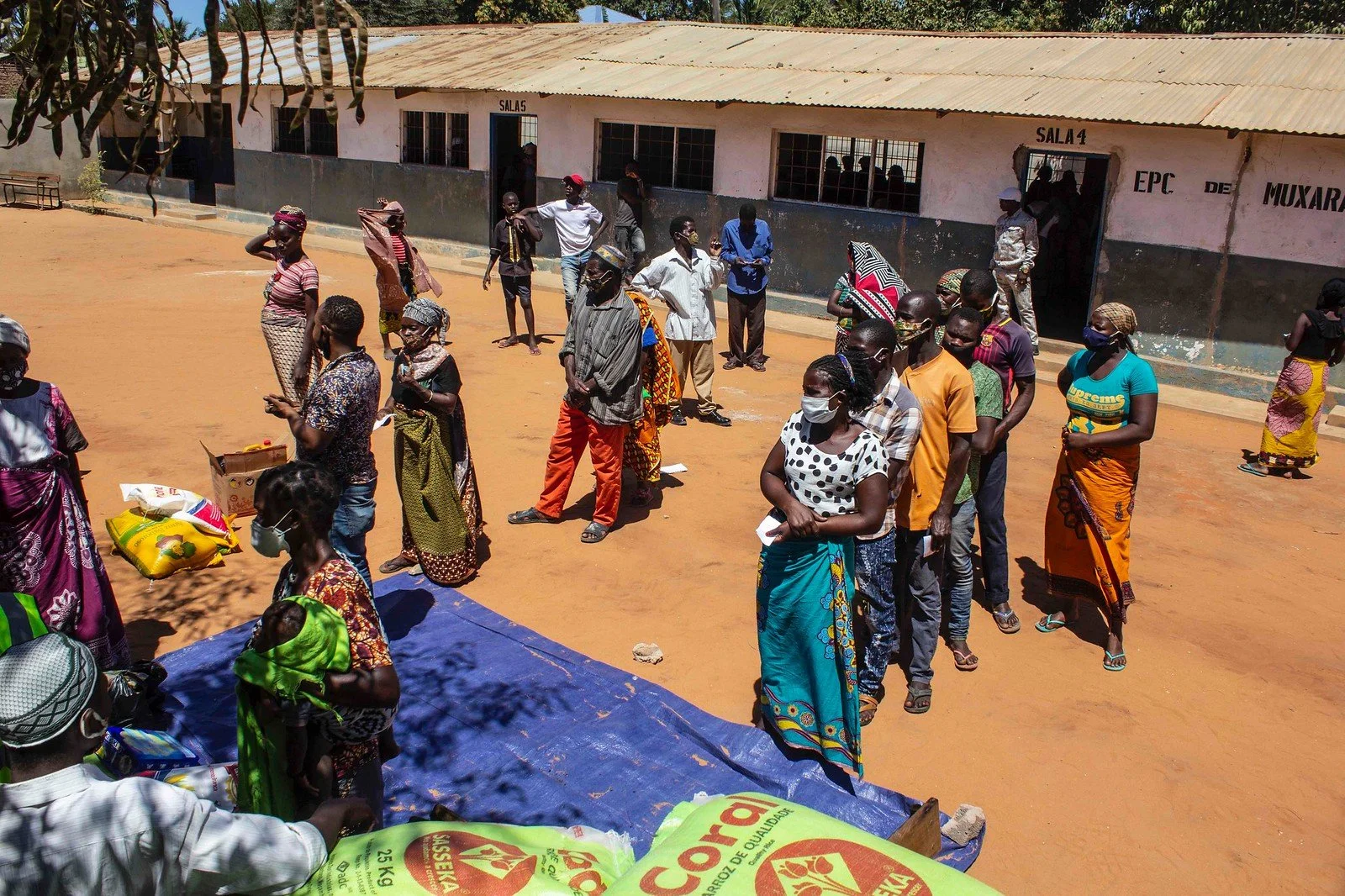
The link between early signals and funding decisions was visible in Burkina Faso and Mozambique. In June 2025, rising displacement signals in Burkina Faso helped inform a $6 million allocation for more than 80,000 people. In December 2025, HDX Signals surfaced violence and displacement in Mozambique, informing a $6 million allocation for more than 130,000 people.
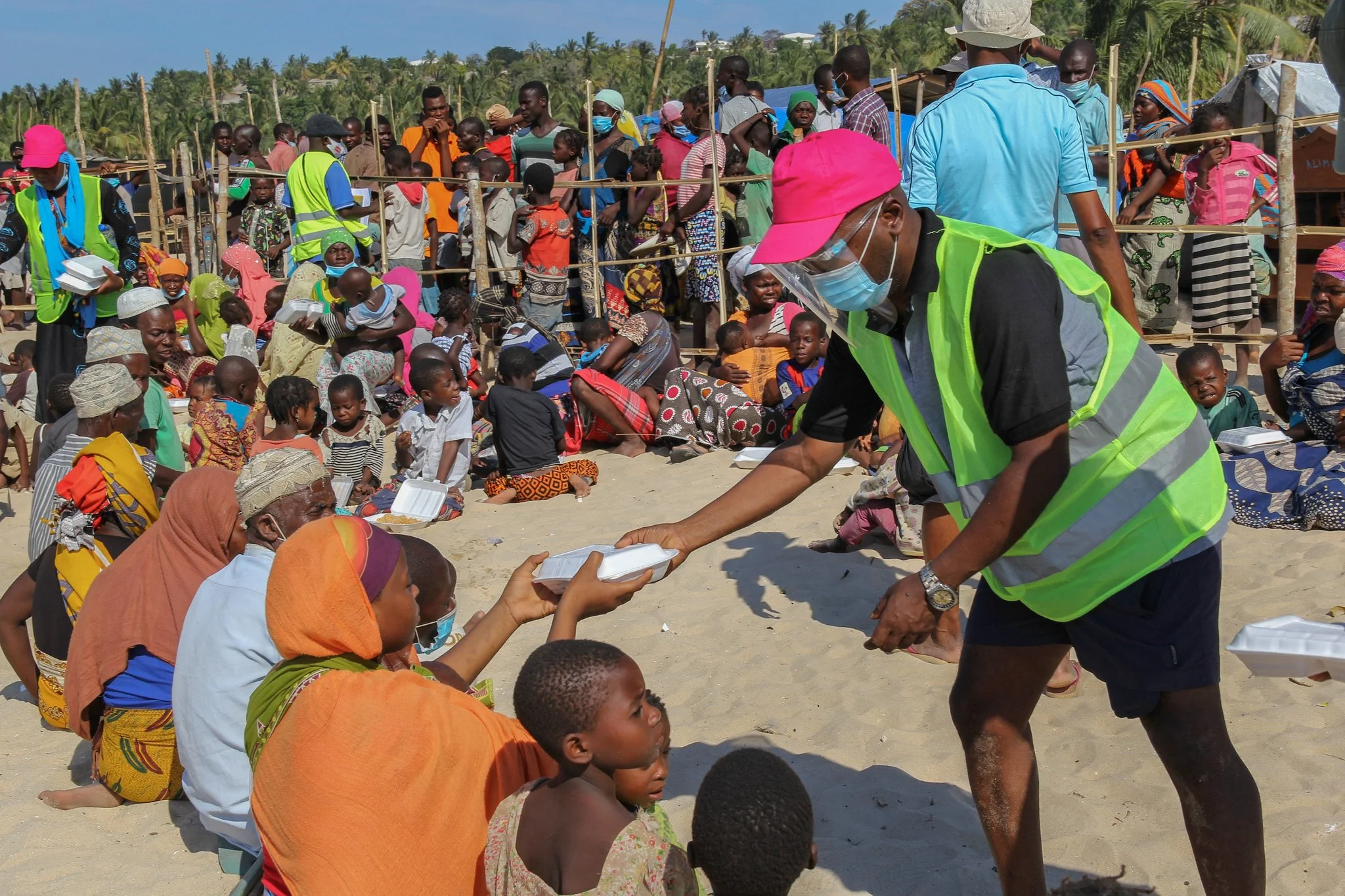
© UN | Helvisney Cardoso
WHAT THIS MEANS AT SCALE
© WFP | Falume Bachir
DISCOVER THE IMPACT
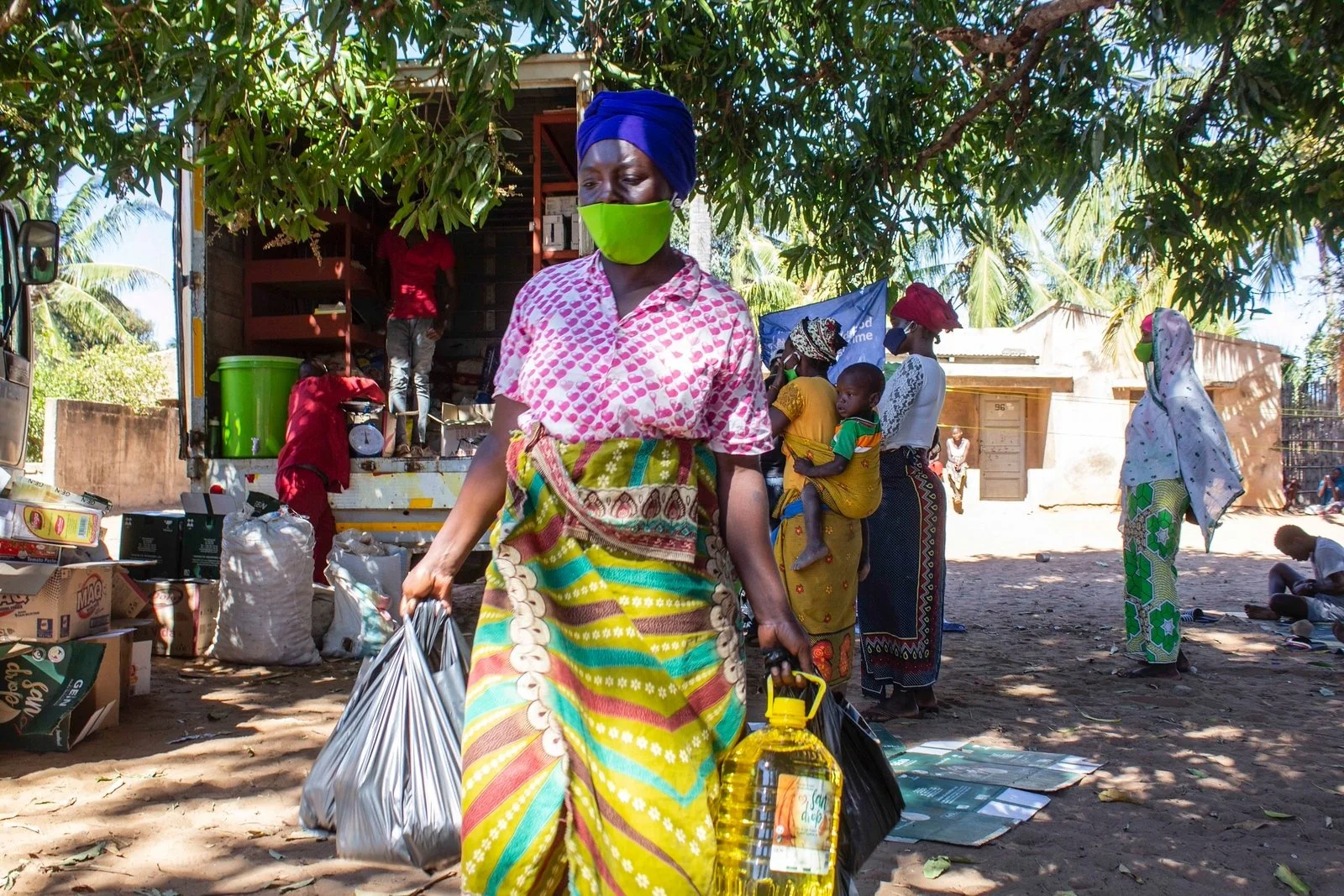
CRAF'd-supported conflict and displacement data help CERF transform crisis signals into evidence that informs earlier, faster and more targeted humanitarian financing, ensuring resources reach people most affected by crisis.