

IMPACT STORY
CONFLICT DATA FOR EARLIER FOOD ASSISTANCE
© WFP | Gabriela Vivacqua
DATA IN ACTION
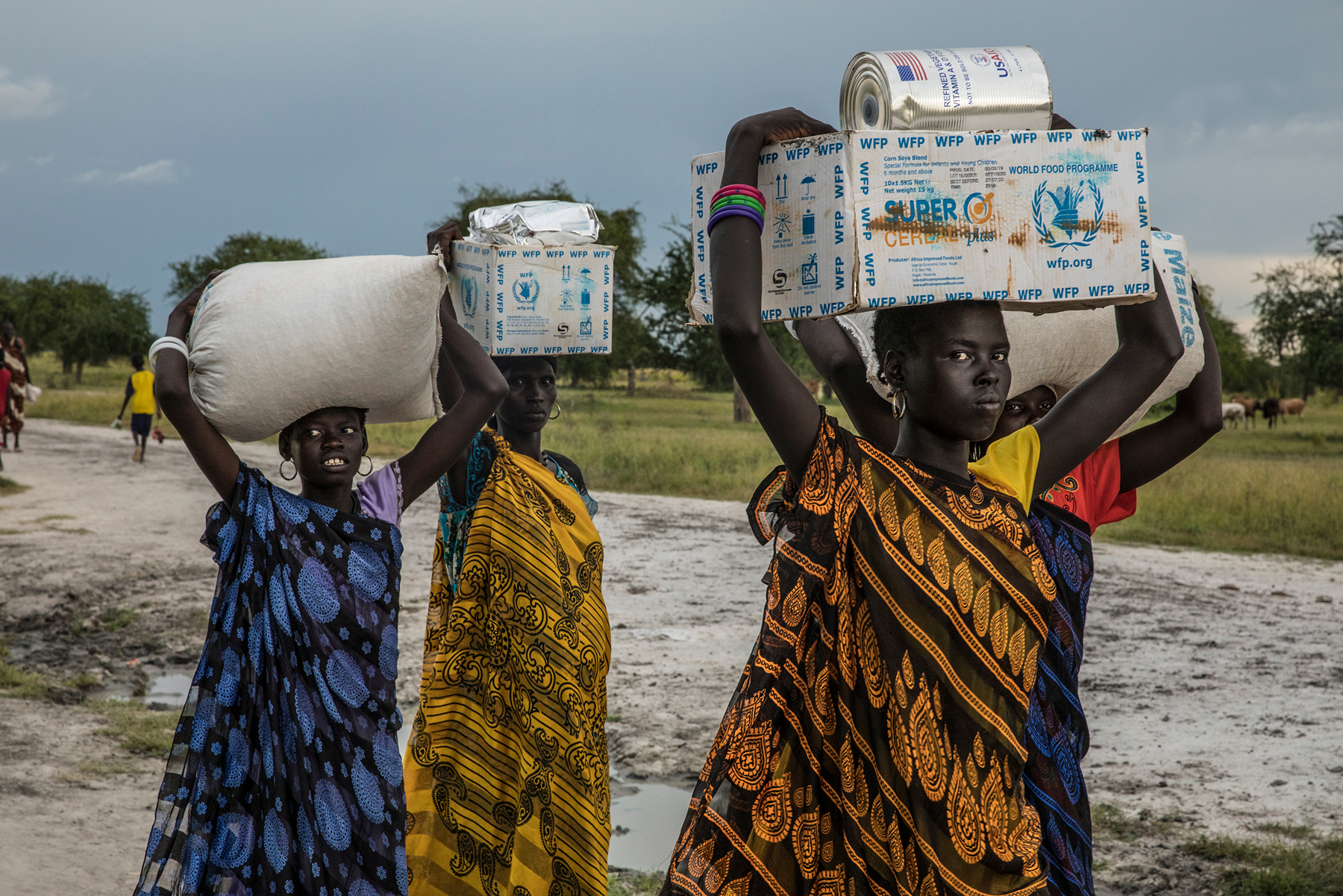
In South Sudan, CRAF’d-supported Armed Conflict Location and Event Data Project (ACLED) conflict data helped the World Food Programme (WFP) identify escalating conflict and related food security risks, elevate the crisis within internal decision-making processes and mobilize financing that enabled food assistance for more than 500,000 people.
CONFLICT DATA FOR FOOD SECURITY EARLY WARNING
© OCHA
CRAF’d-supported ACLED data informs WFP’s early warning analysis by helping track where conflict is intensifying and assess potential impacts on food security, displacement and humanitarian access. Combined with other sources, these signals help identify where risks are growing.
© WFP | Joost Bastmeijer
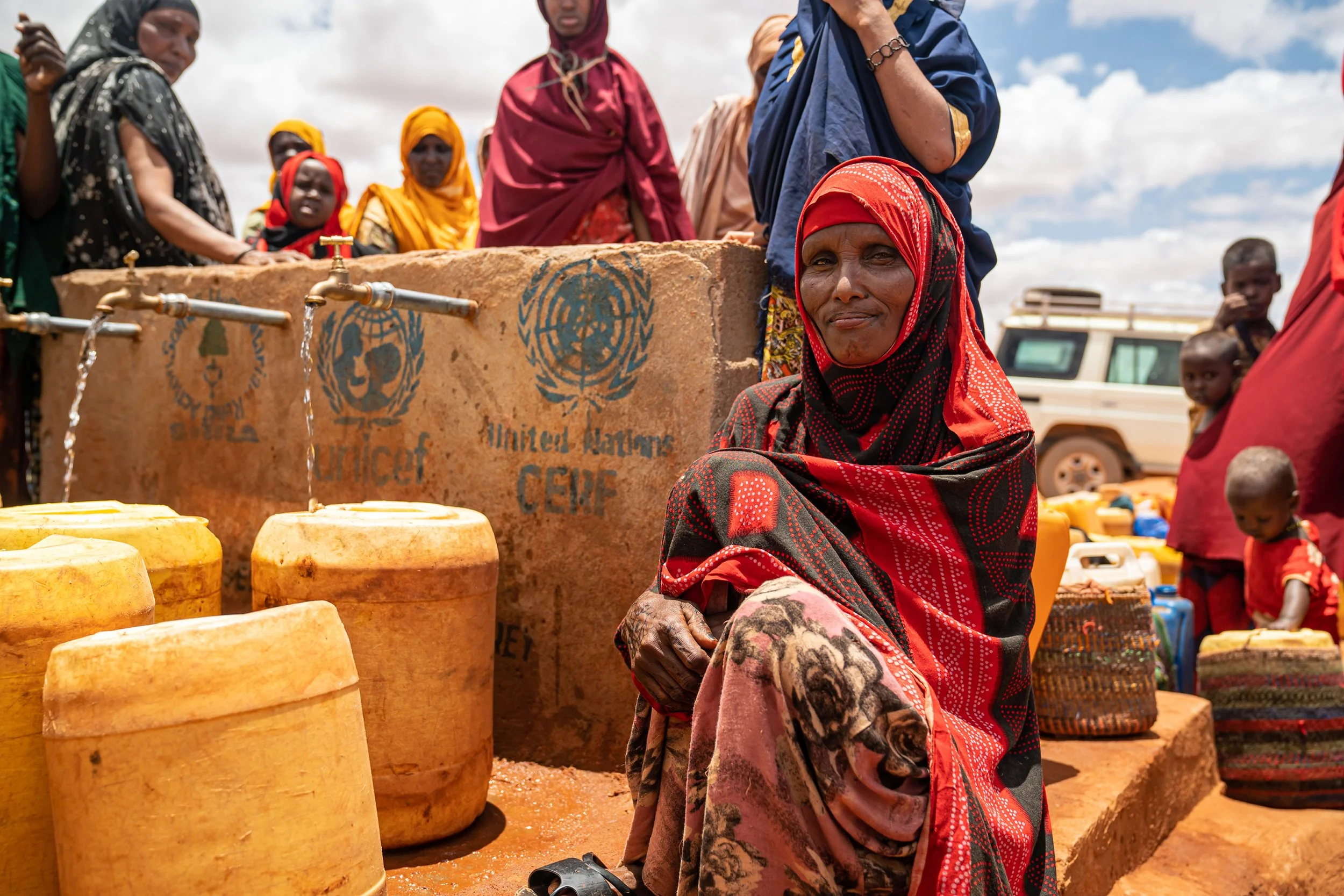
FROM EARLY WARNING TO DECISION-MAKING
© OCHA | Yao Chen
WFP combines conflict signals with country analysis, partner inputs and operational judgement to build a clearer picture of emerging risks. This analysis helps focus attention on crises that may require earlier action and feeds into internal decision-making, including WFP’s Corporate Alert System.

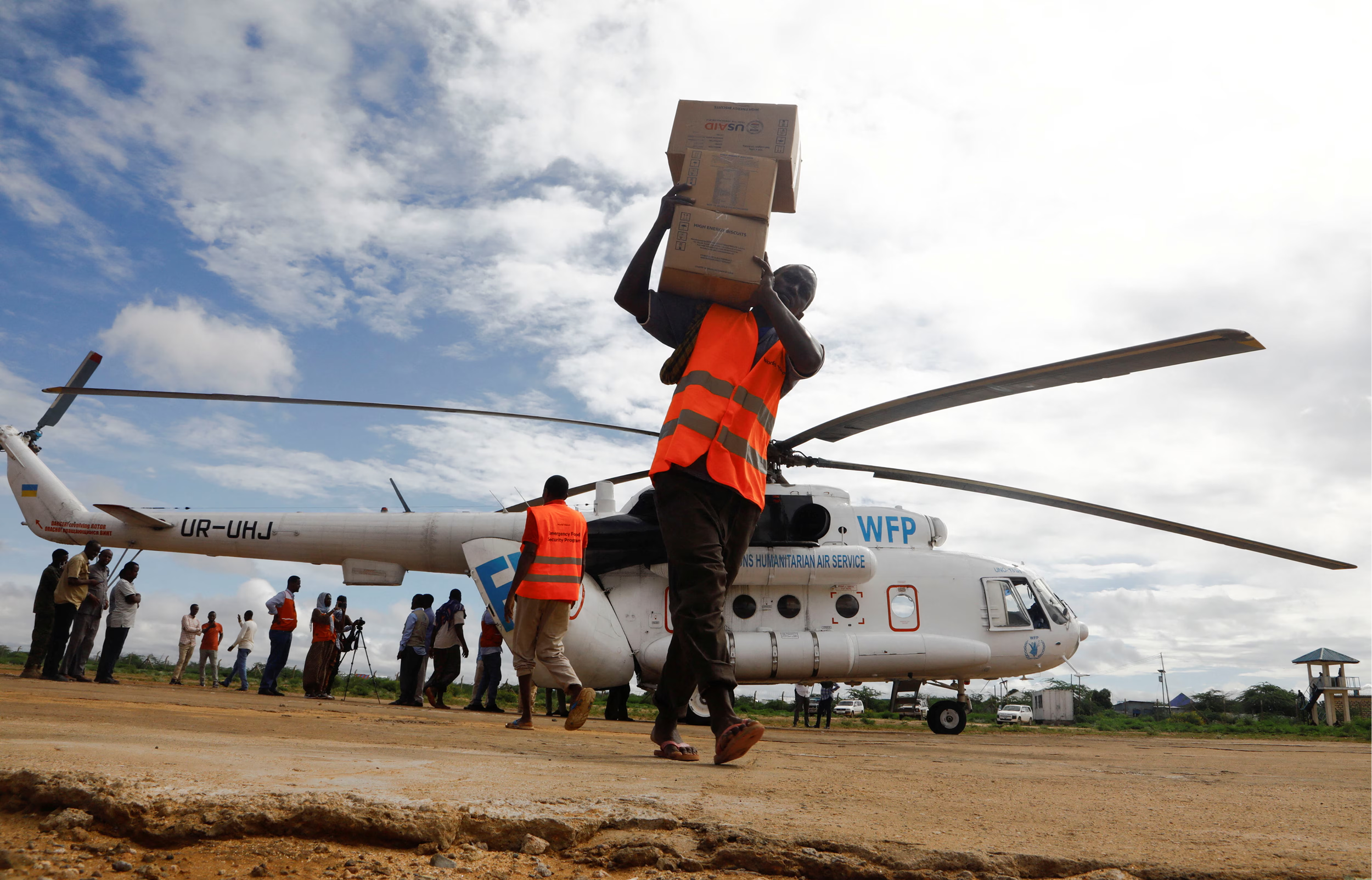
SOUTH SUDAN:
FORM CONFLICT SIGNALS TO
FOOD ASSISTANCE
© REUTERS | Feisal Omar
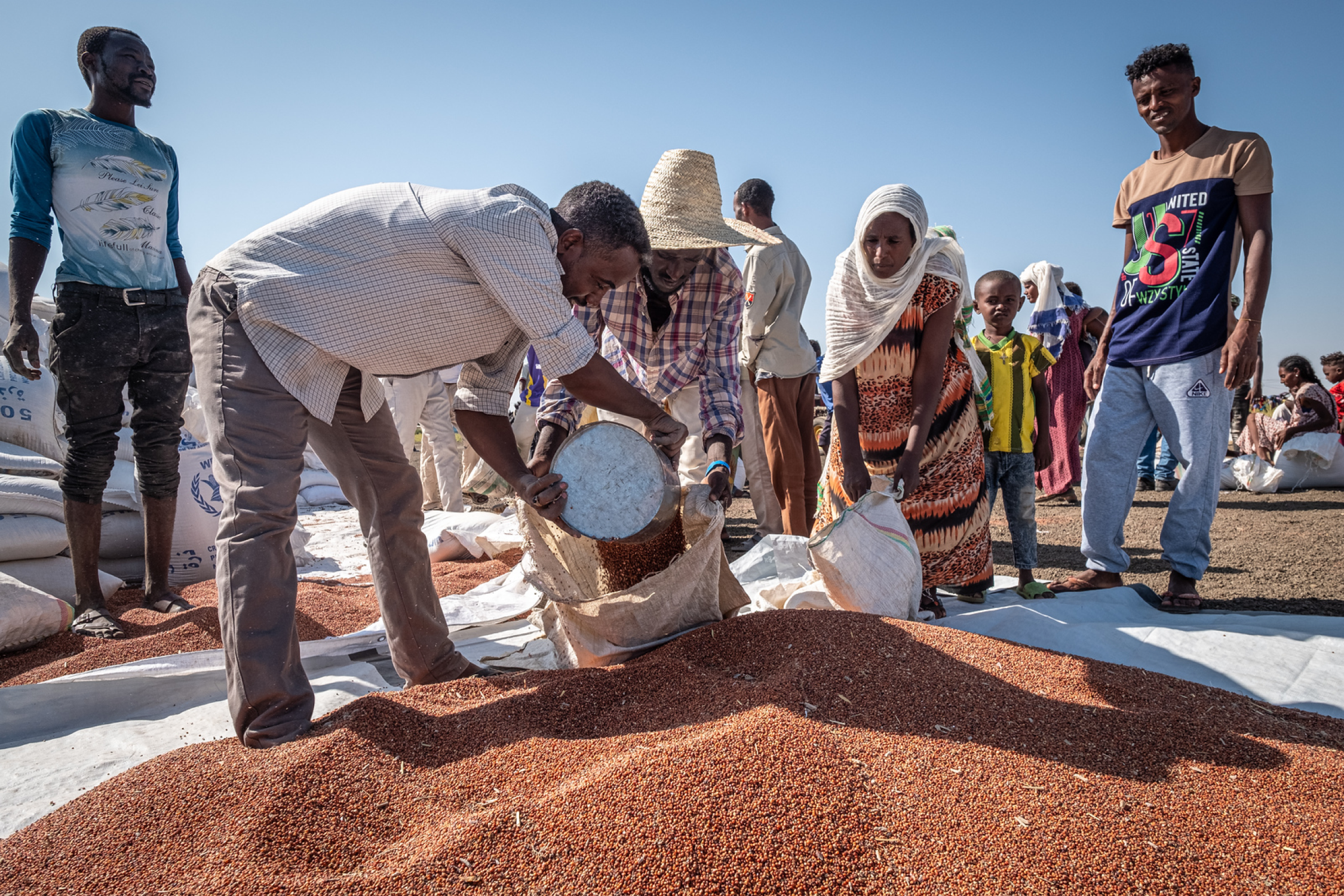
In South Sudan, this analysis helped WFP identify rising risks and elevate the crisis within the organization, supporting rapid financing through the Immediate Response Account and assistance for more than 500,000 people. Looking ahead, integrating ACLED data into HungerMap LIVE 2.0 will further strengthen the link between early signals and earlier, faster and more targeted action.
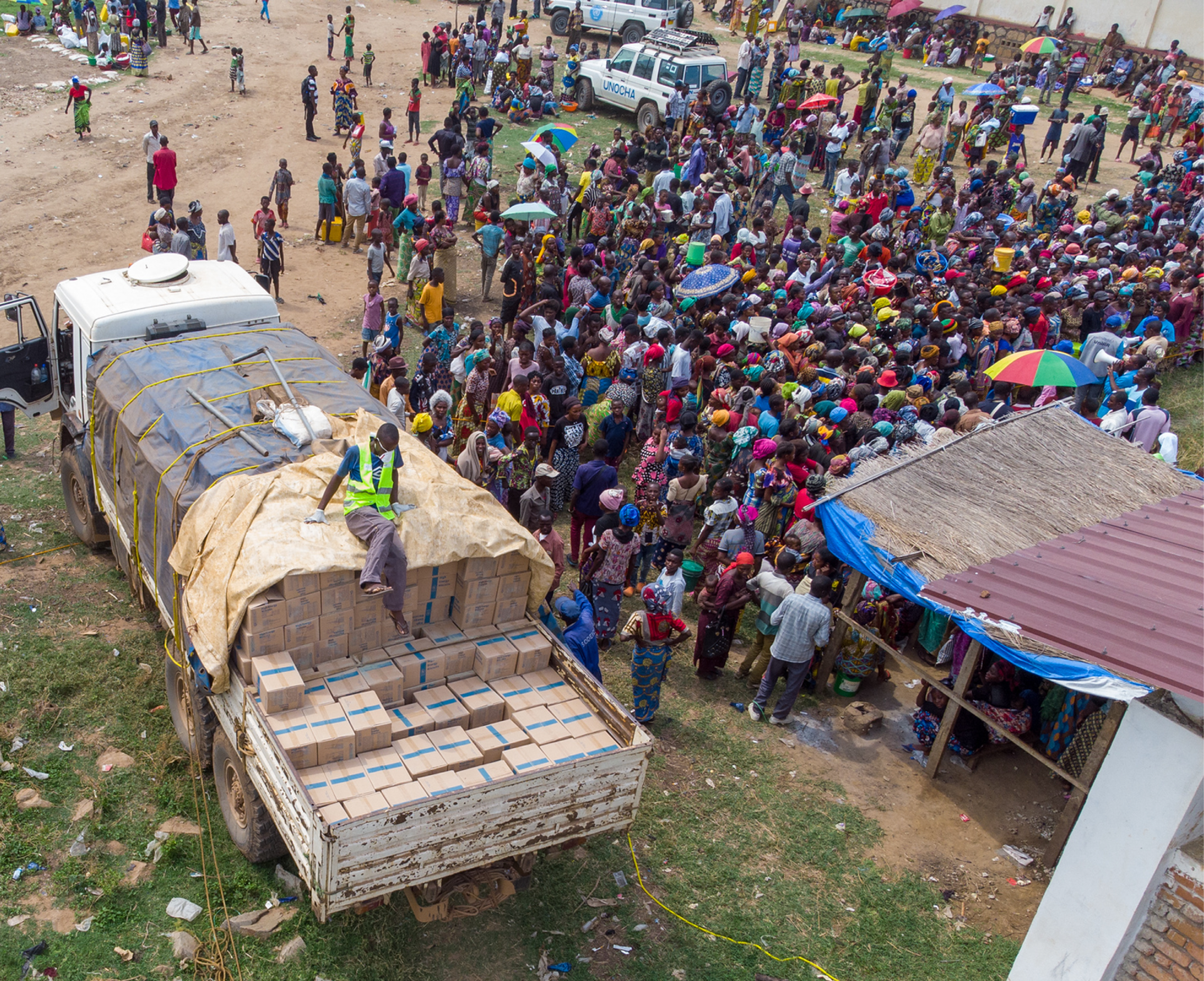
© OCHA | Antoine Lemonnier
500
K
WFP's scaled food assistance.
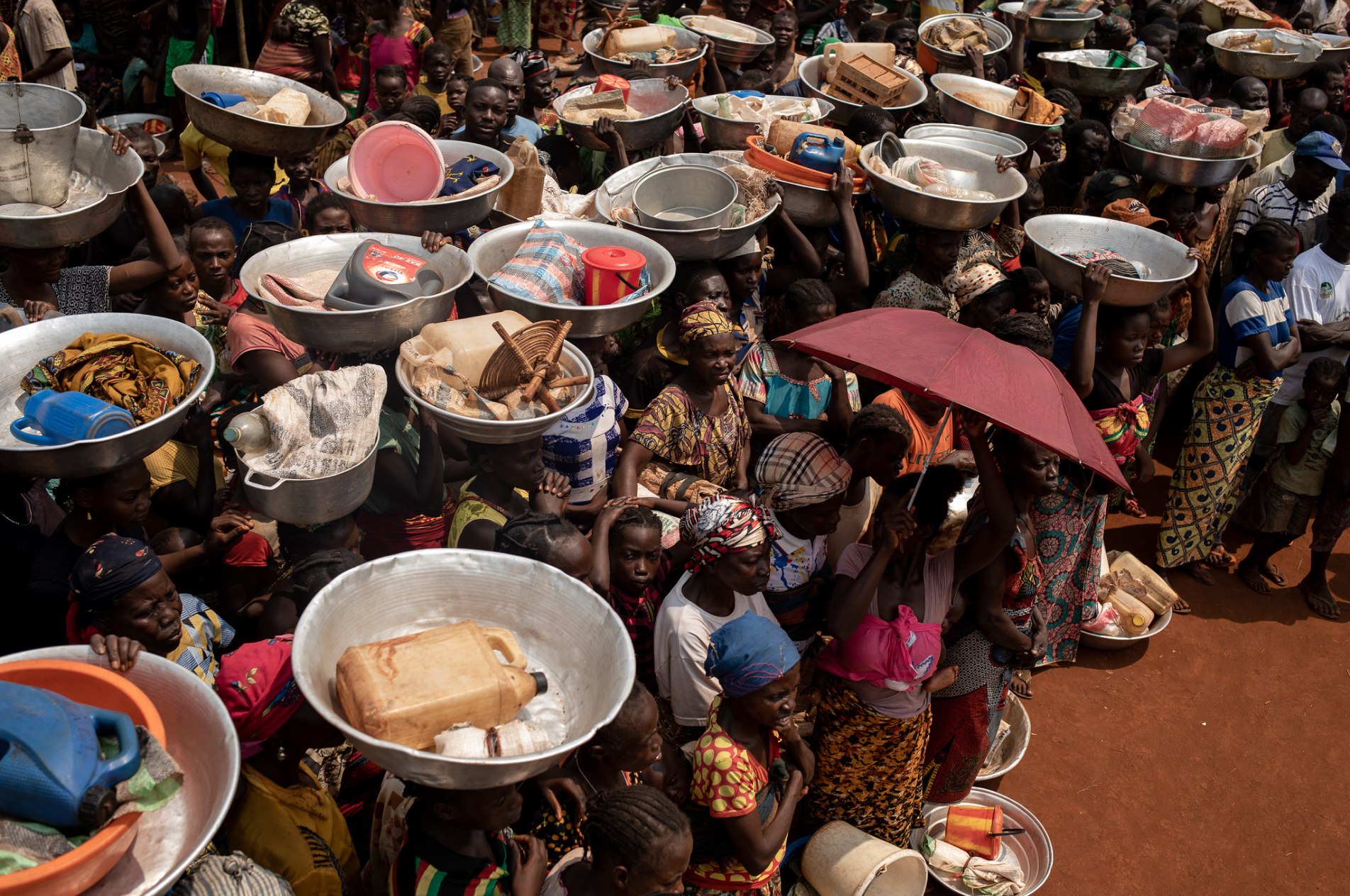
LOOKING AHEAD
WFP's HungerMapLIVE 2.0 is further strengthening this analytical approach by bringing together food security monitoring from more than 300 analysts and information from trusted partners across more than 50 countries. Further integration of CRAF’d-supported ACLED conflict data will strengthen the ability to connect conflict dynamics with food security trends, supporting earlier identification of emerging risks, more informed operational planning and earlier humanitarian action.
© OCHA | Adrienne Surprenant