

IMPACT STORY
DISPLACEMENT DATA FOR BETTER EARLY ACTION

© IOM | Muse Mohammed
DATA IN ACTION
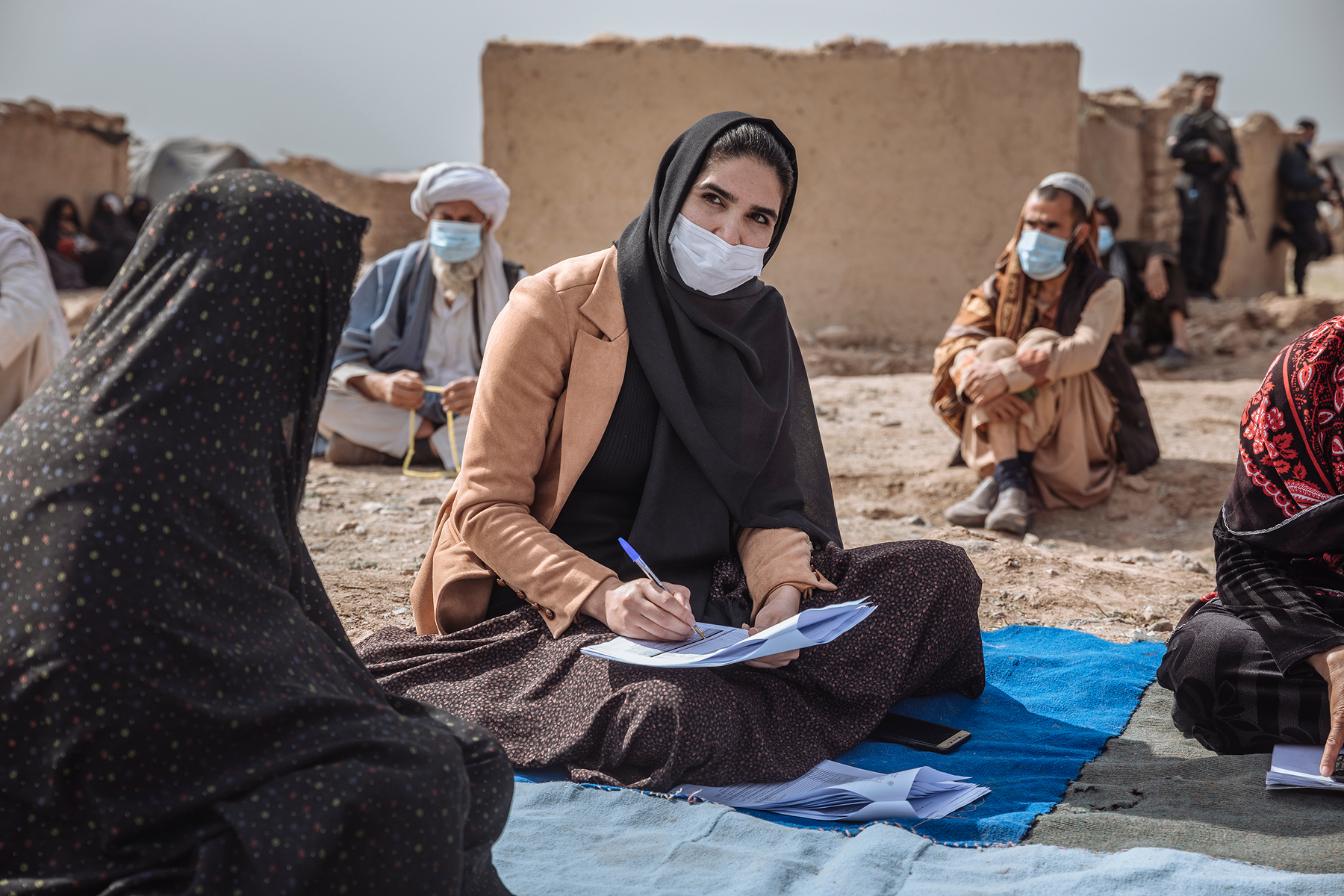
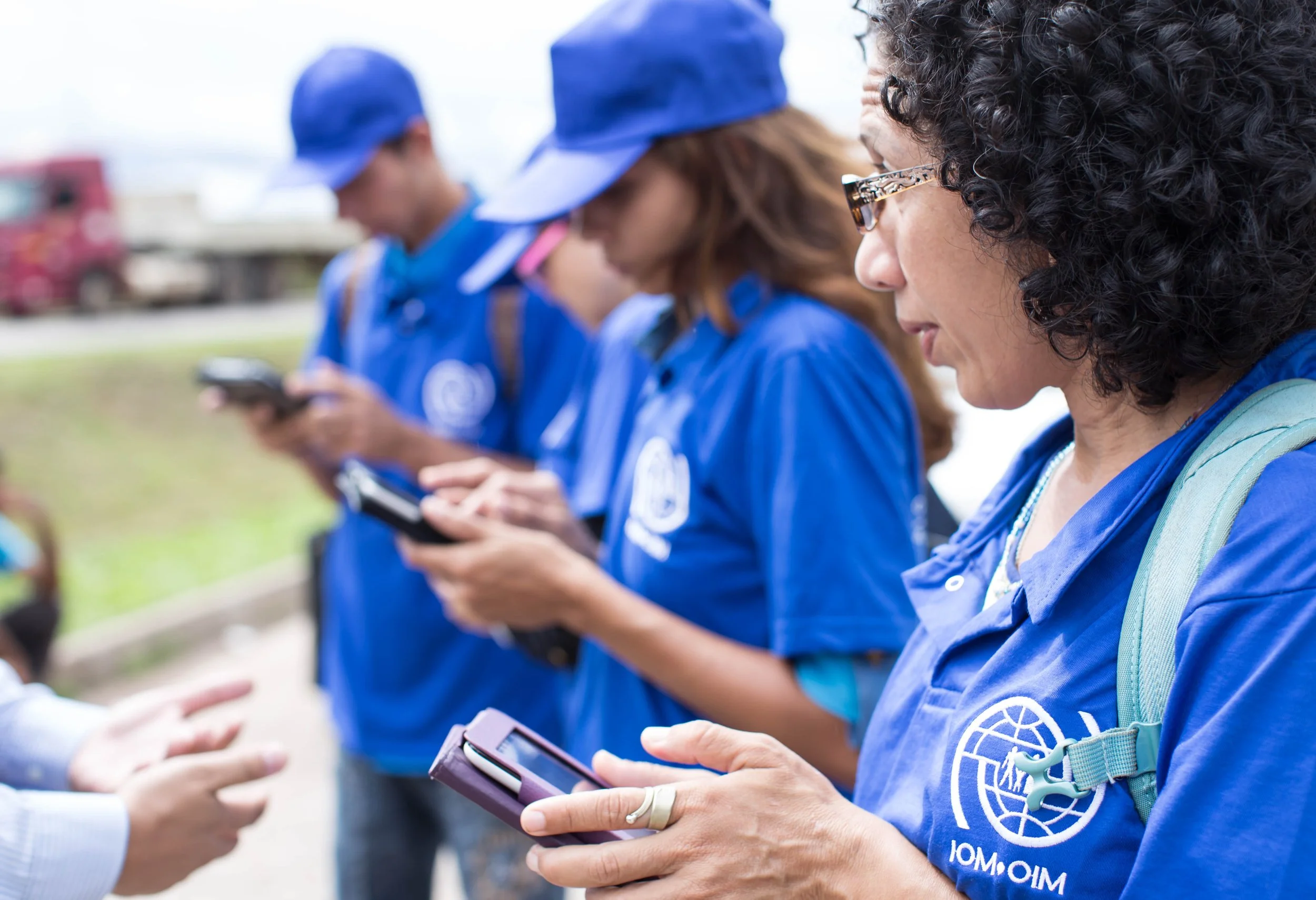
CRAF'd-supported International Organization for Migration (IOM) displacement data transformed more than 1,300 datasets from 53 countries into a single interoperable resource accessible through the Displacement Tracking Matrix (DTM) API. Within six months of launch, the platform processed more than 127,000 queries, helping partners integrate mobility data into forecasting, early warning and operational planning systems.
ANTICIPATING DISPLACEMENT RISKS BEFORE CRISIS ESCALATES
© OCHA | Naomi Frerotte
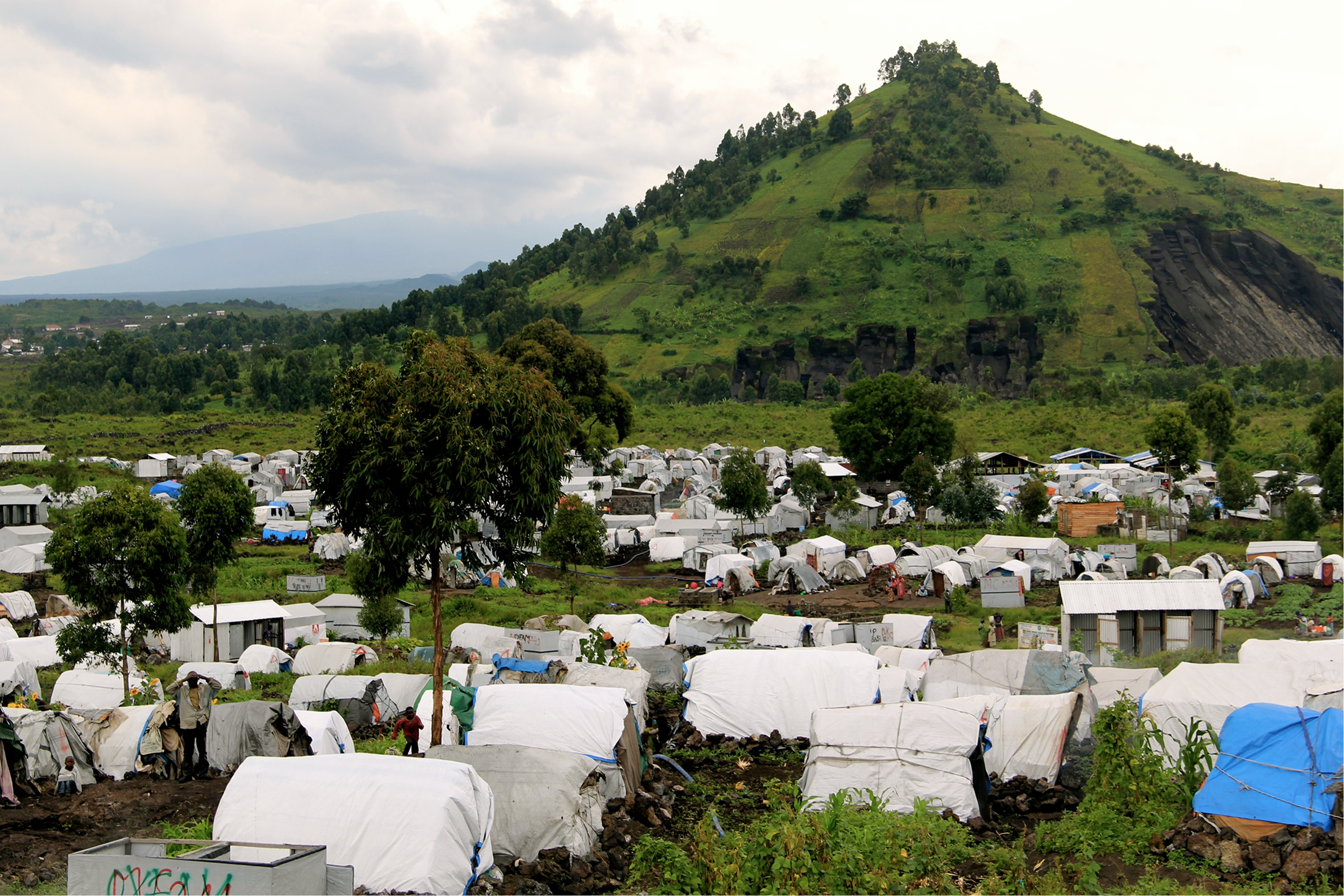
The Danish Refugee Council uses DTM data through its Anticipatory Humanitarian Action for Displacement (AHEAD) platform to forecast displacement risks across 27 displacement-affected contexts. Drawing on more than 120 indicators, AHEAD helps inform anticipatory action planning.
© IOM | DTM
CONNECTING DISPLACEMENT DATA TO FOOD SECURITY RISKS
© IOM | Muse Mohammed
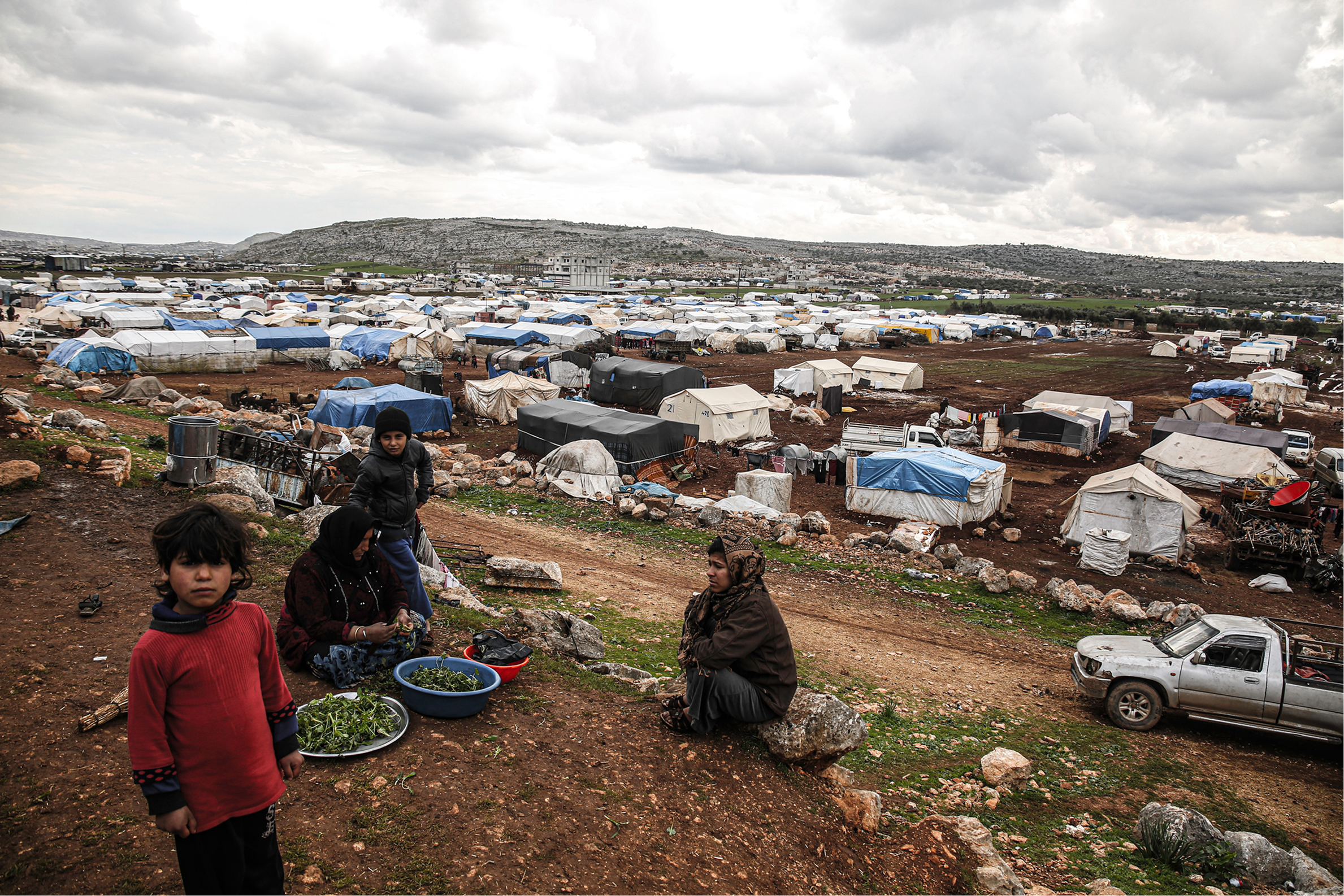
The Famine Early Warning Systems Network combines DTM displacement data with climate, conflict and food security indicators to strengthen risk analysis across more than 30 countries. This helps partners understand how population movements interact with wider food security risks.
© OCHA | Mohannad Zayat
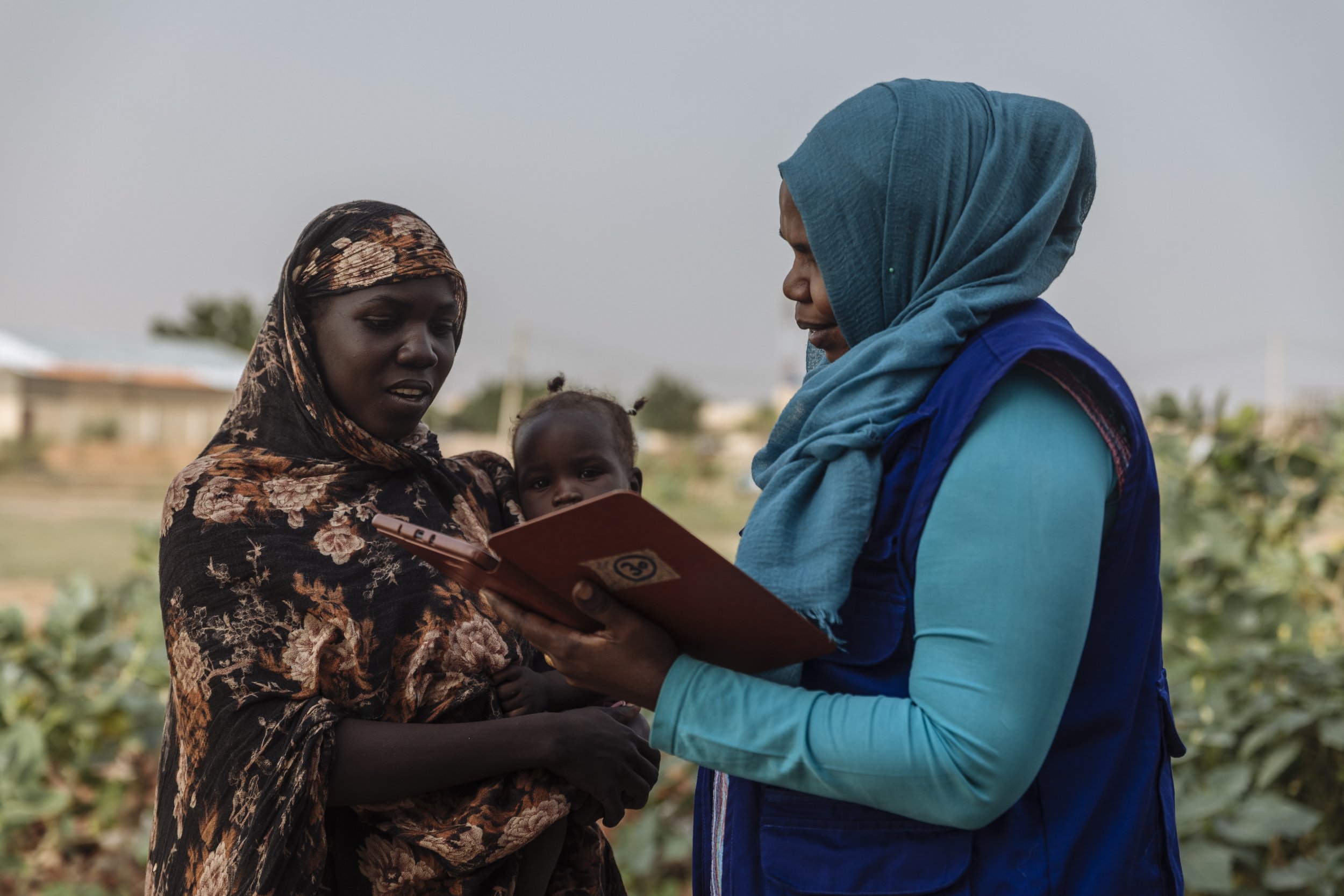
USING DISPLACEMENT DATA TO TARGET PUBLIC HEALTH ACTION
© IOM | Muse Mohammed
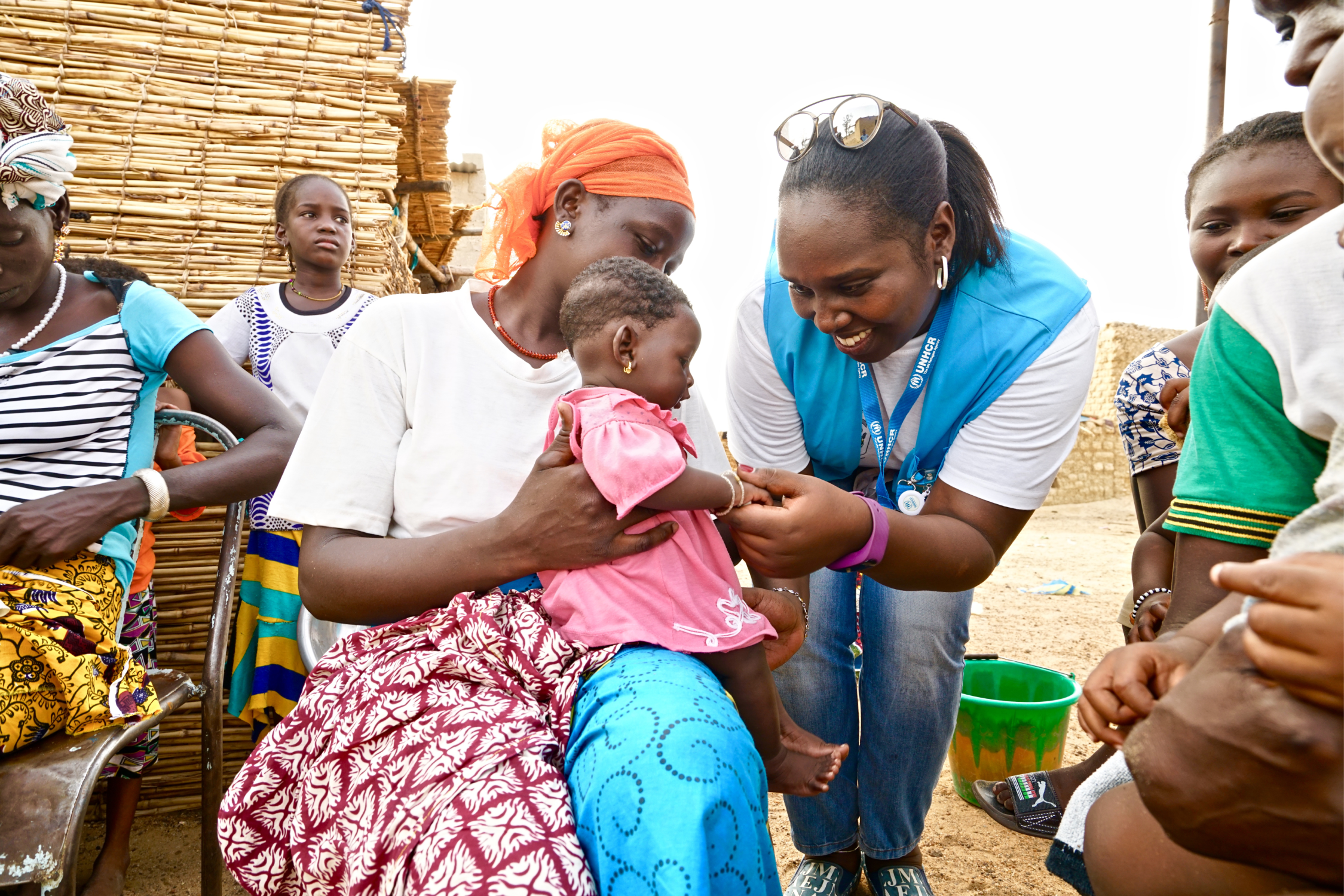
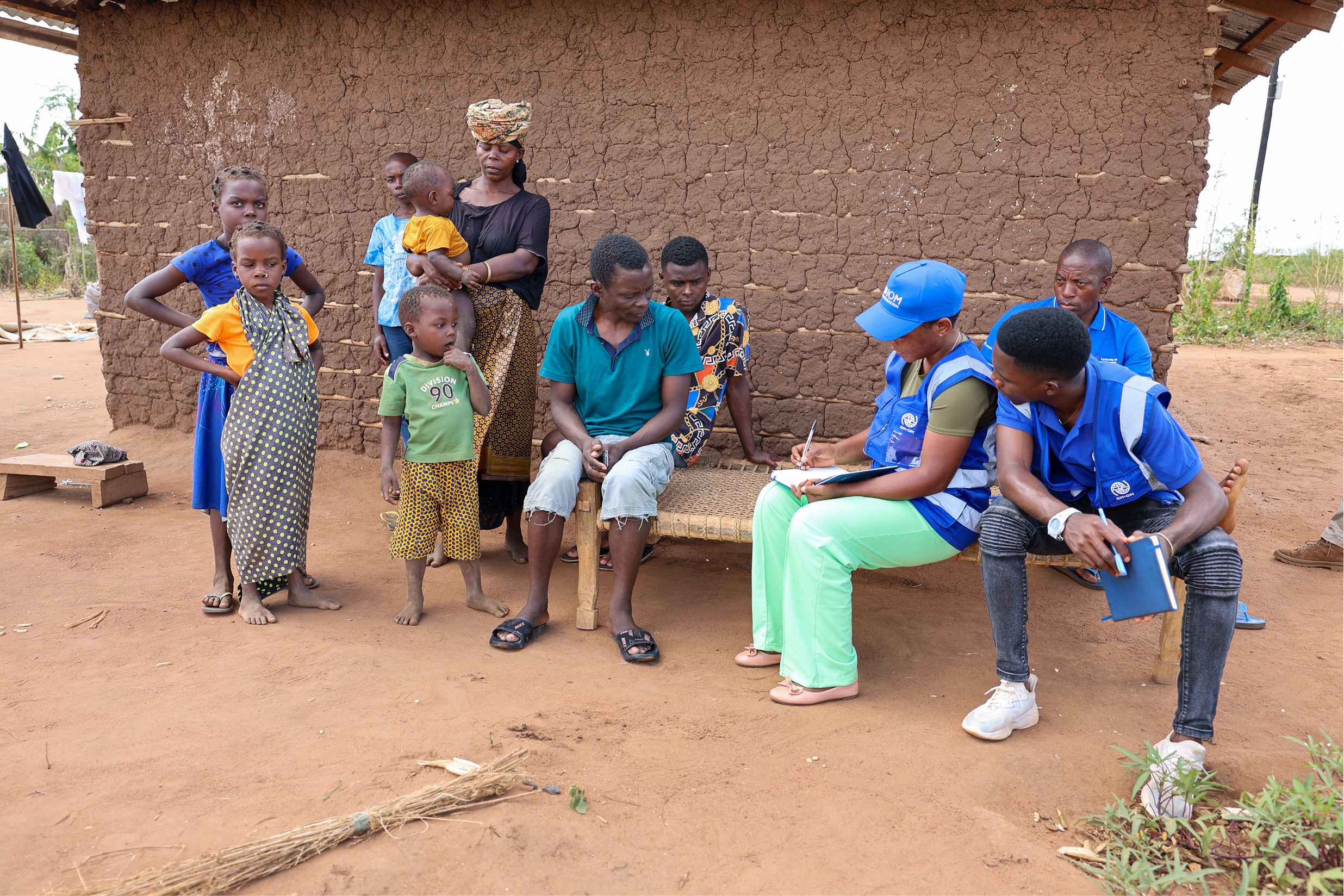
The World Health Organization Regional Office for Africa uses DTM data to identify displacement hotspots for polio surveillance. In early 2025, this supported vaccination efforts that reached nearly 54 million children across nine African countries.
© OCHA | Giles Clarke
Displacement-affected contexts where DTM data informs anticipatory action led by the Danish Refugee Council
30
+
Countries where DTM data strengthens food insecurity risk analysis through FEWS NET
54
M
Children reached by vaccination efforts supported by DTM displacement data in nine African countries
DISCOVER THE IMPACT
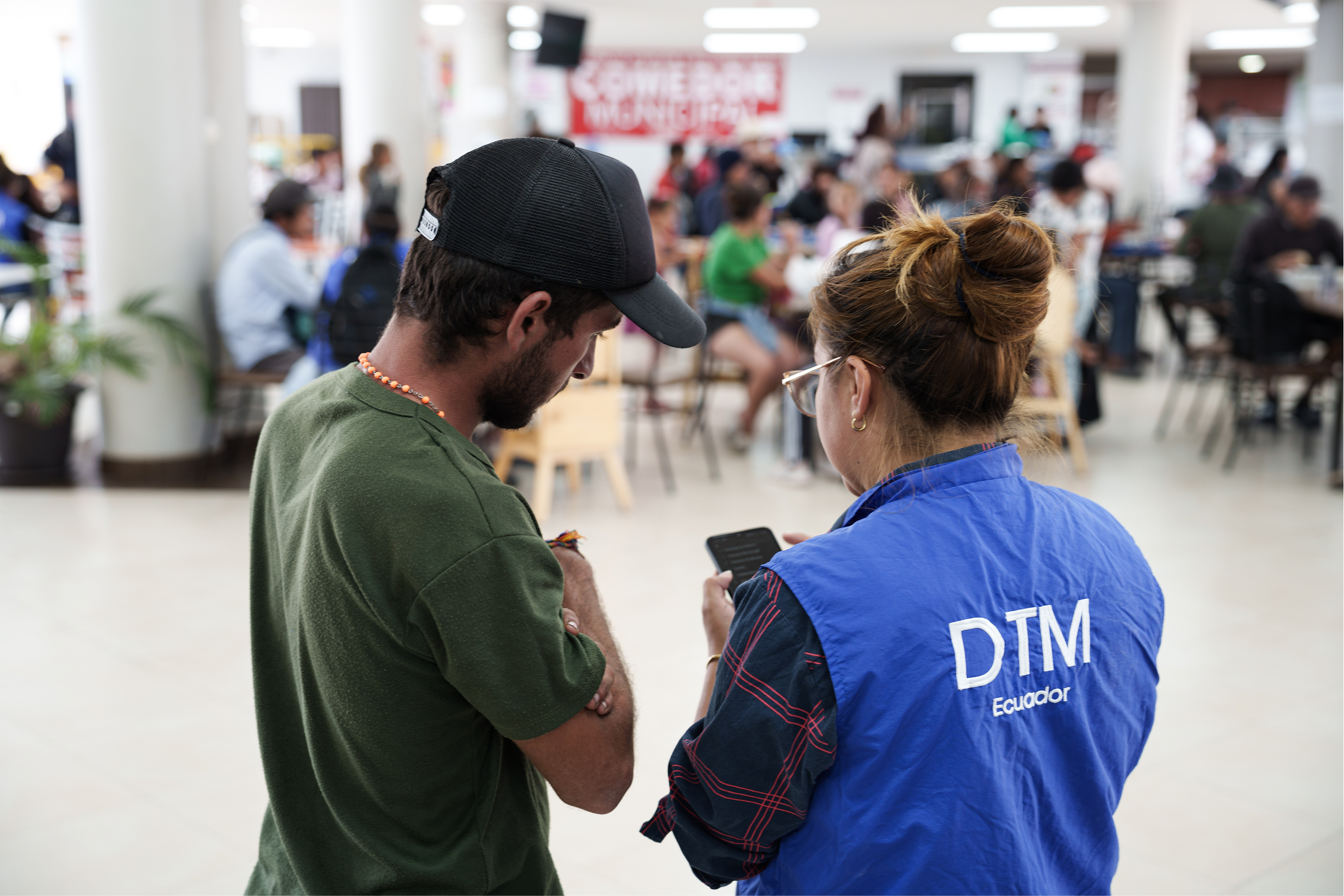
CRAF’d-supported displacement data helped partners move from fragmented reporting to shared analysis, enabling earlier warning, stronger forecasting and more coordinated humanitarian action across crises.
© IOM | Ramiro Aguilar Villamarin